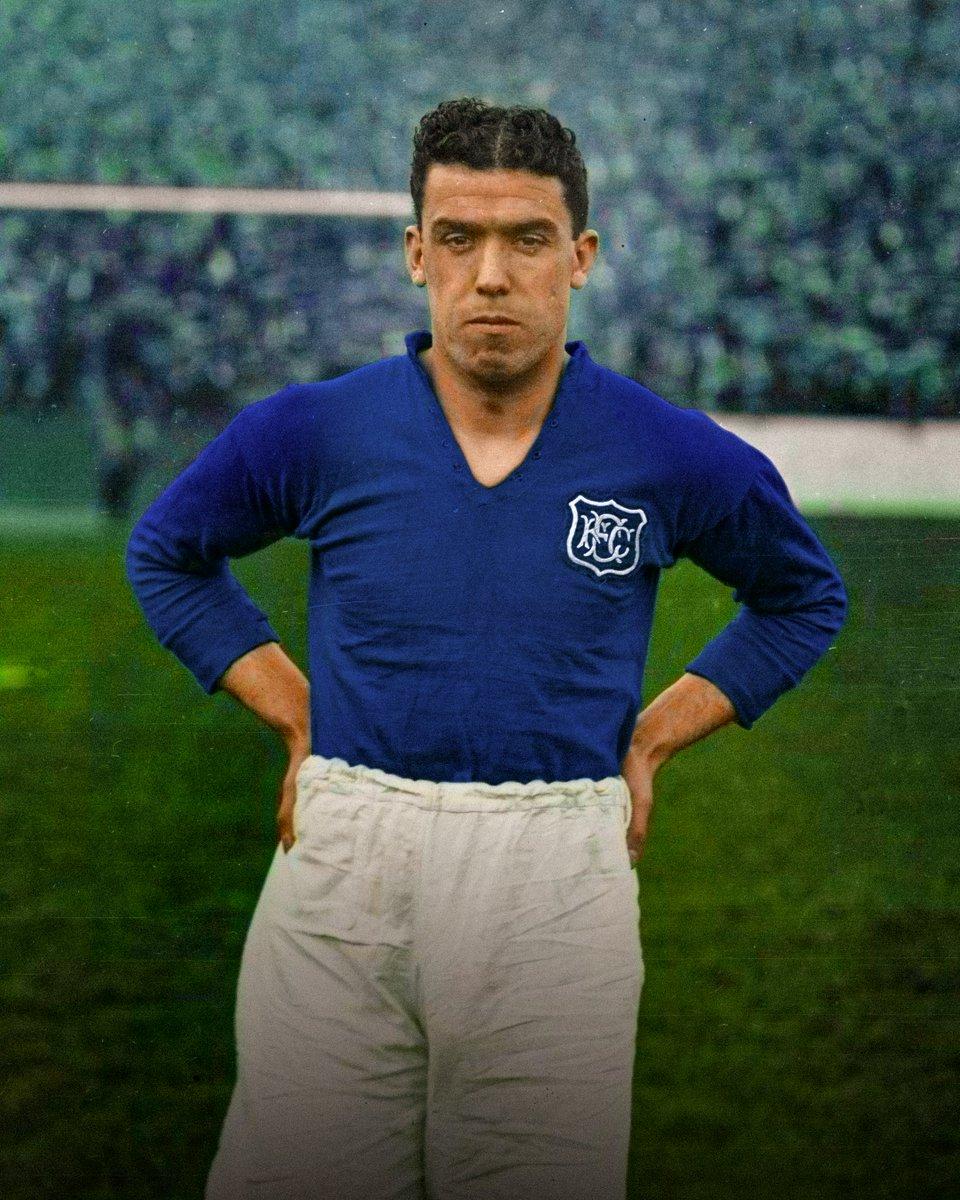
Unravelling Dixie Dean’s England Snub: A Historical Injustice
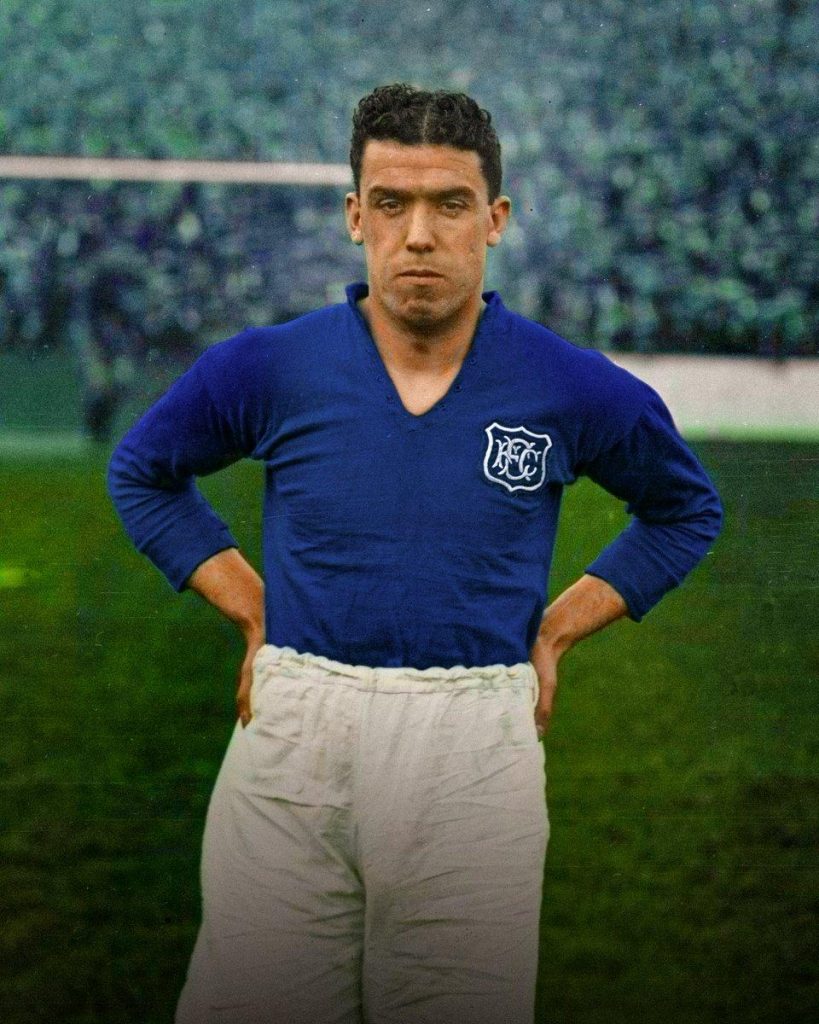
Dixie Dean’s place in football history is immortal. The Everton legend remains the only player to score 60 league goals in a single English top-flight season—a titanic milestone set during the 1927/28 campaign that will likely never be broken.
Yet, one of the most baffling anomalies of his career isn’t what he achieved in the royal blue of Everton, but how criminally underutilised he was by the national team. Despite being the most lethal marksman on the planet, Dean was effectively frozen out by England selectors during his peak years.
The Staggering Stats: 18 Goals in 16 Caps
Dean made his England debut as a teenager in February 1927 against Wales, quickly proving he belonged on the international stage. The raw numbers from his international career look like a typo by modern standards:
- Caps: 16
- Goals: 18
- Hat-tricks: 2 (against Scotland and Belgium)
- Goals-per-game ratio: 1.13
An international return of 1.13 goals per game compares favourably with any striker in football history. Yet, by the time he turned 22, the majority of Dean’s international career was already behind him.
Despite entering his physical prime and continuing to rewrite the record books at Goodison Park into the early 1930s, England’s faith in the lethal centre-forward inexplicably diminished.
The Post-1928 Disappearance
In the 1927/28 season, Dean fired home his historic 60 league goals to carry Everton to the First Division title. Logic dictated that he should have been the undisputed focal point of the England attack for years tom come. Instead, his international career ground to a near-halt.
After 1929, Dean was awarded only a handful of sporadic caps. His final appearance for his country came in November 1932 against Ireland—he was just 25 years old.
While he continued to torment First Division defences, scoring 45 goals in 1931/32 to win another league title with Everton, the England selection committee frequently looked elsewhere, turning to forwards who possessed a fraction of Dean’s generational talent.
Why Was Dixie Dean Snubbed by England?
How does the country’s most feared forward get left out of the national side? The answer lies in the archaic and often political structure of football in the 1920s and 1930s.
1. The Dreaded FA Selection Committee
During this era, England had no single manager. Teams were picked by a traveling committee of FA blazers. These selectors were notorious for regional biases, often rotating players simply to appease different club fanbases or local associations, rather than building a cohesive, winning side.
2. A Lack of Fixtures
Modern international breaks didn’t exist. England played significantly fewer games, mostly limited to the annual British Home Championship against Scotland, Wales, and Ireland, alongside occasional end-of-season European tours. Fewer games meant fewer chances to correct selection errors.
3. Clashes with Authority
Dean was a man of immense character and principle, which didn’t always sit well with the rigid, upper-class FA authorities of the time. Rumours of minor disagreements regarding team travel, preparation, and player treatment meant that the independent selectors often preferred “quieter” options who wouldn’t rock the boat.
An Unsolved Football Mystery
For Evertonians, the treatment of Dixie Dean remains one of the game’s greatest historical injustices. An international record of 18 goals in 16 games should have been the foundation of a legendary century of caps. Instead, the national team wilfully ignored a striker who was actively revolutionizing the position.
Dean remains the benchmark for Everton greatness, but his international biography serves as a stark reminder of an era dominated by inconsistent committee politics. He didn’t need international validation to achieve immortality, but the history books will always look incomplete without the extra England caps he earned by right.