Shortlisted for The Telegraph's 2021 Football Book of the Year!
‘Timely and Important.’ - The Football Pink
‘A brilliant & insightful look at football at all levels of the pyramid, from muddy Sunday pitches to the riches of the Premier League. A fascinating exploration of the state of the game & its future direction.’ - Ollie Bayliss, The Non-League Show
‘A must-read for the everyman football fan, and hopefully the Football Association in order to keep this football pyramid, truly one of the wonders of the sporting world, intact and attractive.’ - The Sportsman
‘An honest insight into the grassroots levels in England from the people that truly care about the beautiful game.’ - Football CFB
‘An enjoyable and challenging doomsday survey of the current English national game. Its scope and depth is quite remarkable.’ - View From the Allotment End
‘This book expertly delves into the current state of the game and why so many love the sport. This highly recommended read will resonate with many and may surprise others.’ -My Football Books
‘The finest of reads’ - Philosophy Football
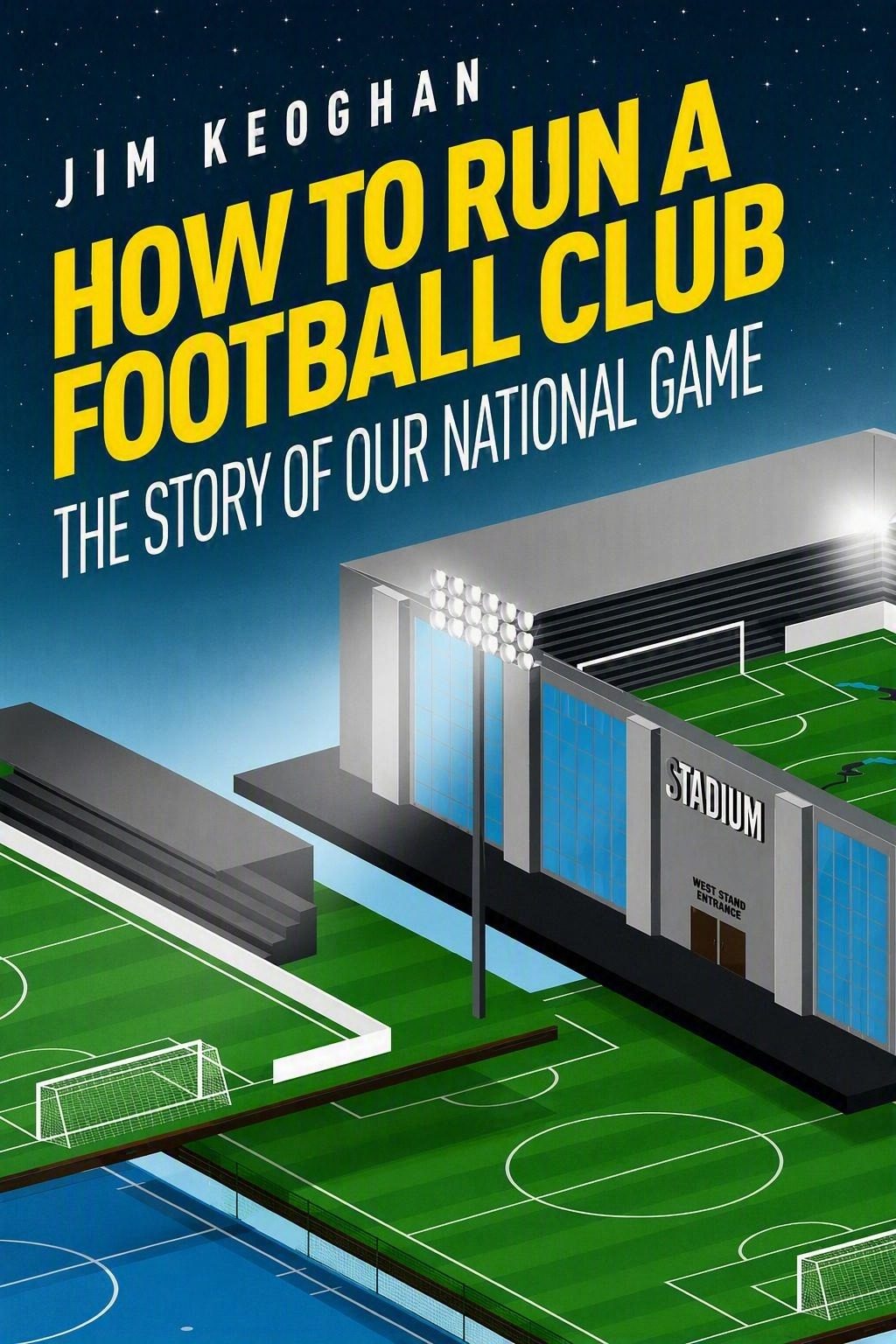
How to Run a Football Club: The Story of Our National Game
How to Run a Football Club takes a journey through the English football pyramid to discover what really goes on behind the scenes – from muddy grassroots pitches and volunteer-run teams to non-league clubs, ambitious owners, professional football and the glittering heights of the Premier League.
At the heart of the book are the people who keep football going. There are volunteer coaches giving up their weekends to work with children, club officials juggling countless responsibilities, committee members trying to keep their teams financially afloat and supporters whose commitment to their clubs goes far beyond simply buying a ticket.
The book explores the realities of running a club when money is tight. At grassroots and non-league level, survival can depend upon volunteers, fundraising, sponsorship and the goodwill of the local community. A club may have a proud history and passionate supporters, but keeping the lights on, maintaining a pitch and paying the bills can be a constant struggle.
Further up the pyramid, the stakes become increasingly high. Owners and investors can pour huge amounts of money into their clubs, but success is never guaranteed. The book examines the different motivations of those who put their money, time and energy into football and asks whether financial investment necessarily produces a well-run club.
Along the way, How to Run a Football Club considers what actually makes a football club successful. Is it money? Good management? A strong relationship with supporters? Community involvement? A successful youth system? Or is it something much harder to measure – the sense of belonging that makes people care about a club in the first place?
Funny, revealing and sometimes sobering, How to Run a Football Club offers a fascinating journey through the people and places that make English football what it is – from the smallest changing rooms to the biggest stadiums.

‘Brilliant.’ -The Football Pink
‘An important book, well balanced and accessibly written, and a very handy primer for those looking for an easy account of how organised fandom has evolved, and what they can contribute… This is one football club’s story, this another, this is a third – now run your own one.’ – When Saturday Comes
‘A great read.’ - The Non-League Magazine
‘Overall I can’t recommend this book highly enough to fans who are interested in how clubs have, and could be run in the future. This isn’t a dull and dour history book, it’s a book packed with humour and stories that all fans can relate to, for better or worse.’ - The Tilehurst End
‘A must-read.’ - The Sportsman
‘Highly recommended. This is a well-researched and fast-moving account bringing together the history of football's supporter-governance movement. The first complete history of its kind.’ - The New Statesman
‘The fundamentals in this impressive book give a stunning insight into what’s possible.’ - These Football Times
‘An informative, well-researched account charting the tale of how supporters have made the journey from apathy to activism, from customer to shareholder; from the terraces to the boardroom.’ - The Racing Post
‘If you have any interest at all in whether and how fans should have greater control or influence over the clubs they love, this well written and well organised book is essential reading.’ – Charlton Athletic Supporters Trust
‘This is a great book. A must for all fans of the game.’ - The Ball is Round
Punk Football: The Rise of Fan Ownership in English Football
Punk Football tells the story of a growing rebellion within English football — one led not by wealthy owners, players or managers, but by the supporters themselves.
As football became increasingly dominated by television money, commercialisation and powerful owners, a growing number of fans began to question whether the people who followed their clubs every week were being pushed further and further away from the game they loved. Some chose to protest. Others formed supporter trusts. And some went much further, taking control of their clubs or creating entirely new ones.
Jim Keoghan explores this remarkable movement through the stories of supporters and clubs at the centre of the struggle. From AFC Wimbledon, born out of the anger surrounding the relocation of Wimbledon FC, to FC United of Manchester, created by Manchester United supporters following the Glazer takeover, and Exeter City, where fans took ownership of the club, the book examines what happens when supporters decide to take matters into their own hands.
Alongside these stories, Punk Football looks at the wider growth of supporter ownership and fan activism across the English game. It considers why fans became increasingly frustrated with the direction of football, what they hoped to achieve and whether supporter-led clubs could provide a genuine alternative to the modern football business.
Featuring the experiences and opinions of the people involved, the book captures the passion, idealism, arguments and frustrations behind the movement.
Part football history, part investigation and part celebration of the game's outsiders, Punk Football is ultimately about the relationship between clubs and the people who support them — and the belief that football should belong to its communities as much as it belongs to anyone.
.