Goodison Reborn
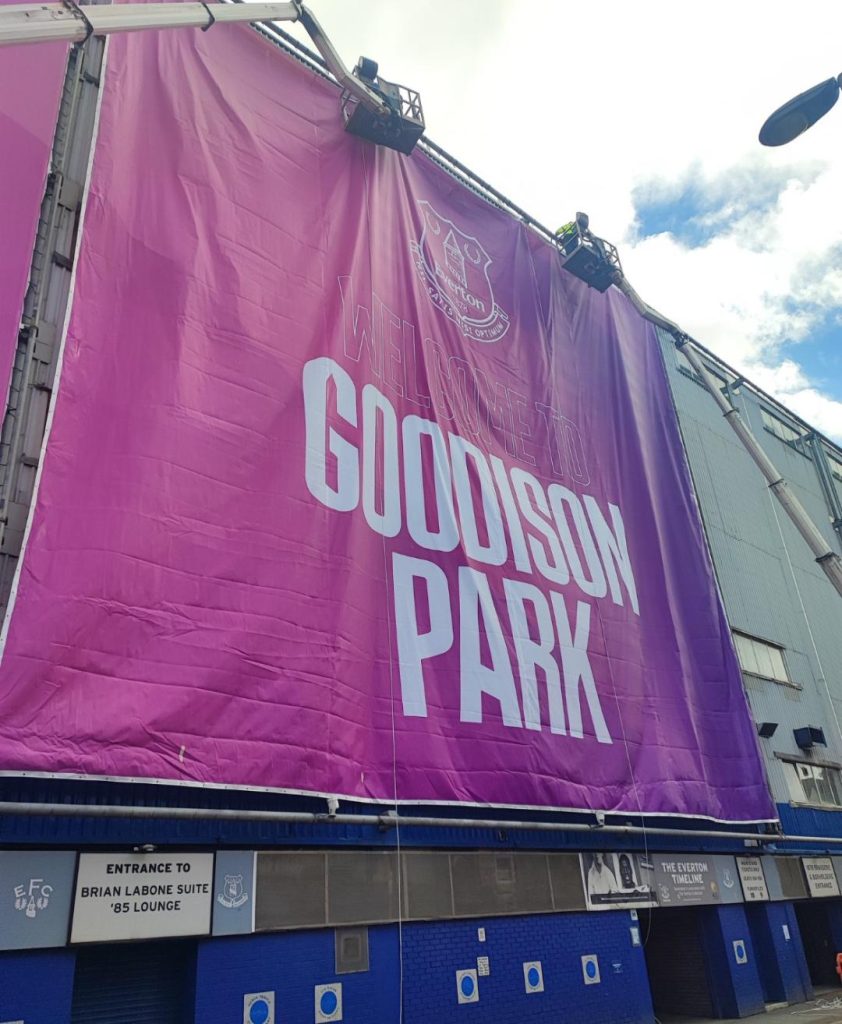
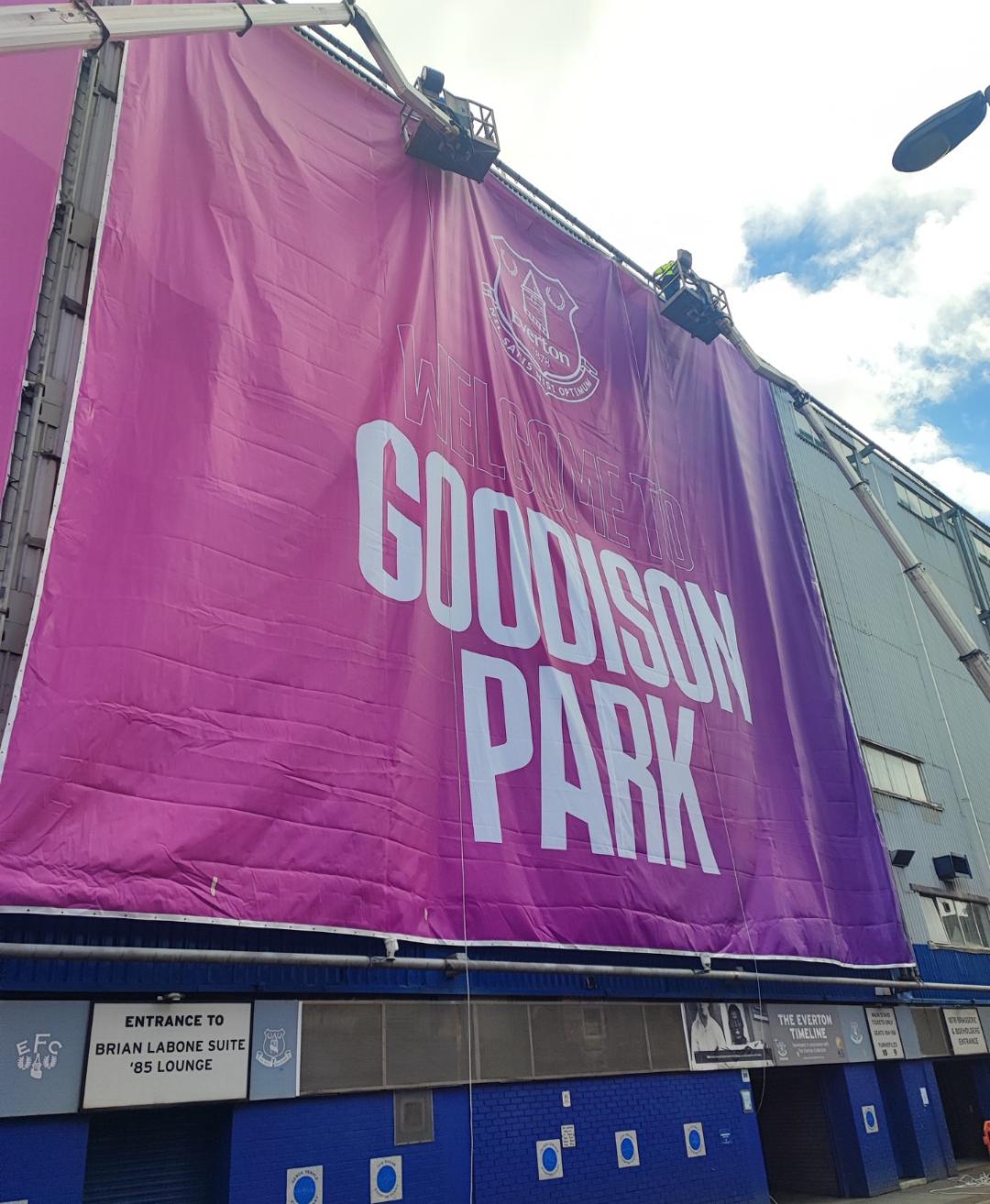
As you arrive through the narrow, brick terraced streets off County Road, Goodison looms above—a majestic yet anachronistic throwback to the great grounds of the pre-Premier League age. Goodison is football nostalgia, a structure that still shakes when the crowd gives it reason to.
It is a stadium rooted in its community—the pubs, cafés and chippies that form an indelible part of the experience. Goodison is a bevvie in the Winslow, it’s a bacon butty in the Goodison Café, it’s salt ‘n’ pepper chicken from the Blue Dragon.
There was a time when the fate of this footballing institution seemed heartbreakingly inevitable. The men’s team would move to Bramley-Moore Dock, and the Grand Old Lady—after more than a century of footballing history—would be knocked down, her memory preserved only in photographs and stories.
Gone would be a ground Alex Ferguson felt was “a nightmare” to visit, a place regarded by Eusebio as the “best stadium in my playing life.”
But football, like life, has a way of surprising us.
Instead of demolition, Goodison was given a new lease on life. Not as a museum or a monument, but as a living, breathing stadium. Today, she stands proudly as the home of Everton Women—a symbol of continuity, progress, and pride. The roar of the Street End will still echo, but now it will be for a new generation of players, a new chapter in the club’s storied history.
“Goodison Park is one of, if not the most historic stadium here in England,” says Everton goalkeeper Courtney Brosnan. “There’s so much history there with the men’s team, but now we get to create our own history. To make it our fortress—and that’s amazing.”
The club’s bold decision—to preserve the soul of Everton by giving Goodison to the women’s team is a declaration that the club believes that women’s football deserves the same stage, the same history, the same passion.
“Leading the team out for that first home match this season will be nothing short of a career highlight,” says captain Megan Finnigan. “Goodison Park is a magical stadium with deep heritage and close ties to the local community. The prospect of what Everton Women can become with such an iconic ground to call our home is hugely exciting.”
Manager Brian Sørensen: “Moving to Goodison Park is a huge moment for everyone connected to Everton Women. To call one of the most iconic stadiums in world football our permanent home is a privilege and a clear sign of the ambition this club has for the women’s team.”
The transition isn’t just symbolic—it is potentially transformative. Everton Women, long overshadowed by the men’s side, will now have a fortress of their own. The players will walk out to Z-Cars just as their predecessors did. They will feel the same turf beneath their boots, hear the same crowd rise with every attack, and carry the same weight of expectation.
But this isn’t just about nostalgia. It’s about progress. The stadium has been renovated to be more inclusive, more accessible, and more vibrant.
“Our players now have a stage that matches their potential,” Sørensen continues. “Our fans have a place to build an even stronger matchday culture, and young girls across Merseyside will see that this is a club where dreams can grow and come true.”
The Street End will still roar, but now it’s for stars like Ornella Vignola, Maz Pacheco and Holly Mcnamara
One of the most powerful aspects of Goodison’s rebirth is how seamlessly it stitches past to present. The stadium remains but its exterior will now be more in tune with the side that now calls Goodison its own. Everton Women aren’t just playing there —they’re building a legacy.
“We are absolutely delighted that Goodison Park’s legacy will live on and we are proud to continue to call Goodison Park our home. This is a real statement of intent, which shows just how committed they are to backing the women’s team and making Everton a force at the very top of the women’s game” says Julie Makin (FAB Member & Secretary of Everton Women Supporters’ Club).
Young girls across Merseyside can now dream of playing at Goodison—not just watching from the stands. And this will give a different flavour to the outreach programs, coaching clinics, and school visits the club put on.
The decision to give Goodison to Everton Women has resonated beyond Merseyside. It’s been hailed as a bold move in the world of football—a recognition that women’s sport deserves equal footing, equal reverence.
Other clubs have taken note. Some are exploring similar transitions, while others are investing more heavily in their women’s teams. Goodison has become a case study in how tradition and progress can coexist.
For Everton, it’s more than a PR win—it’s a cultural shift. The club has positioned itself as a leader in gender equality, community engagement, and heritage preservation. And fans have embraced it wholeheartedly.
In the end, Goodison Park was never just about bricks and mortar. It was about people. About generations of fans who passed down stories and songs. About players who gave everything for the badge.
That heartbeat continues. It pulses through every corner of the stadium. And now, it’s carried forward by Everton Women—strong, skilled, and determined to make their own mark.
The Grand Old Lady hasn’t retired. She’s been reborn.