Everton and the Lost Art of Hope: Breaking the Cycle of Mediocrity
Why do we watch football? Part habit, part cultural, for Evertonians part exercise in self-loathing? There are a multitude of factors that make us invest time, emotion and money into a pastime that is so much more than just ‘22 people kicking a ball around a field’.
But one vital ingredient that must be thrown into the mix is hope. Specifically, the belief that this will be the season when something magical happens.
Across the football pyramid, fans begin each campaign believing that something special might occur. It could be a league title, a cup victory, promotion or simply a season in which their team finally exceeds expectations. That belief is central to the experience of being a football fan.
It is the faith in that alchemical process whereby all the elements that make up a football club—the fans, players, manager and ownership—come together to create something memorable on the pitch.
That is, as the old adage goes, what makes football the most important of the least important things. It is the ability to transform hope into reality and, by doing so, move you in ways that a book, a film or a play could never dream of doing.
But does that sense of hope still remain amongst Evertonians?
Everton's Long Trophy Drought
Over the course of the last 30 years, amongst the 92 clubs that currently make up the top four divisions of English football, Everton are the only club not to have celebrated a cup win, a league title or a promotion.
Yes, there have been ‘good times’. Everton have enjoyed European football, cup runs and even reached a major cup final. But over thirty years without a trophy is an incredibly long time for a club of Evertons stroied stature
It means that decades of hope have resulted in very little that is tangible—nothing that fans can point to and say, ‘That is why we show up week in, week out.’
Is Premier League Survival Enough for Everton?
Of course, you could point to Everton’s ability to simply stay in the Premier League as a ‘success’ of sorts. Considering some of the squads the club has had during its multiple brushes with relegation, survival is not something to be easily dismissed.
It almost feels like there is some elemental force that prevents Everton from being relegated. No matter how unbelievably bad the side is, the laws of football dictate that it simply cannot be allowed to occur.
But really, for a club of Everton’s history, Premier League stability should be a given, the entry point at which we begin any season.
Imagine travelling back in time to the glory years of the 1980s and telling an Everton fan that, one day in the future, it would be celebrated that the club had spent three trophyless decades in the top flight.
They would rightly stare at you with incredulity.
Everton's False Dawns: Peter Johnson, David Moyes and the Moshiri Era
Perhaps the most frustrating aspect of Everton’s last 30 years is not simply the lack of success, but the number of times genuine hope has morphed into disappointment. Everton have experienced multiple false dawns since the 1990s: moments when it appeared that the club might finally be ready to turn a corner, challenge for trophies and return to the upper reaches of English football. Each time, however, that hope has ultimately given way to failure.
The Peter Johnson Years: Everton's First False Dawn
The first major false dawn came during the 1990s under Everton chairman and owner Peter Johnson. Following the decline that had followed the club's glory years of the 1980s, there was a sense that Everton were finally beginning to recover. The club remained one of the biggest names in English football, and there was an expectation that new ownership could help restore Everton to their rightful place near the top of the game.
It was a sense of expectation boosted by the club’s last acquisition of a trophy, 1995’s FA Cup
But ultimately, despite a bright start, the Peter Johnson era eventually fizzled out. Johnson simply lacked the resources to compete, something not helped by his Farm Foods business empire faltering. His era concluded with brushes with relegation, instability and financial mismanagement. The promise of progress gradually gave way to a club in serious financial difficulty, culminating in Everton coming perilously close to financial collapse.
Moyes, Kenwright and Everton's 'Nearly' Years
Then came the (first) David Moyes era. In many ways, this was the most convincing false dawn of them all.
Moyes stabilised Everton, developed a clear identity and, against the odds, established the club as the ‘best of the rest’ behind the financial power of the Premier League elite. There were European campaigns, FA Cup runs and seasons in which Everton looked capable of competing with clubs who possessed significantly greater financial resources.
But that was also the problem.
Everton were good enough to challenge the outskirts of the established order, but never quite wealthy enough to break into it. These ‘nearly’ years were filled with the sense that Everton were just one or two signings, one extra investment or one major financial push away from becoming genuine contenders.
That investment never arrived. Instead, Everton became trapped in a cycle of doing just enough to remain competitive without ever possessing the resources required to take the next step.
A significant contributory factor was Bill Kenwright’s hand on the tiller. Although Kenwright, through his True Blue Holdings consortium, had rescued the club from the financial mess left by Peter Johnson, he never had the resources to propel Everton forward. Nor did he appear able to secure the additional investment the club needed. Instead, his tenure became characterised by missed opportunities, such as the failed Kings Dock project; costly missteps, most notably Destination Kirkby; and a growing sense that Everton’s proud legacy was being squandered. The ambition that had once defined the club seemed to give way to something far less inspiring: an acceptance of mediocrity.
Farhad Moshiri and Everton's Financial Implosion
The arrival of Farhad Moshiri was supposed to represent the end of that cycle. Here, finally, was an owner with the financial resources to transform Everton Football Club.
The club could invest heavily in players, build a new stadium and finally compete on something approaching a level playing field with the Premier League's wealthiest clubs. The arrival of Moshiri felt like the moment when Everton's long wait for a new era of success might finally be over.
Instead, the Moshiri era became one of the most damaging periods in Everton's modern history.
Money was spent, but without a coherent long-term strategy. Managers came and went, transfer policies changed and expensive mistakes accumulated. What was initially presented as a new era of ambition gradually descended into a financial crisis that left Everton fighting not just for Premier League survival but also their very existence.
Three different eras. Three different versions of the same disappointment.
The Friedkin Group and Hill Dickinson Stadium: Everton's New Dawn
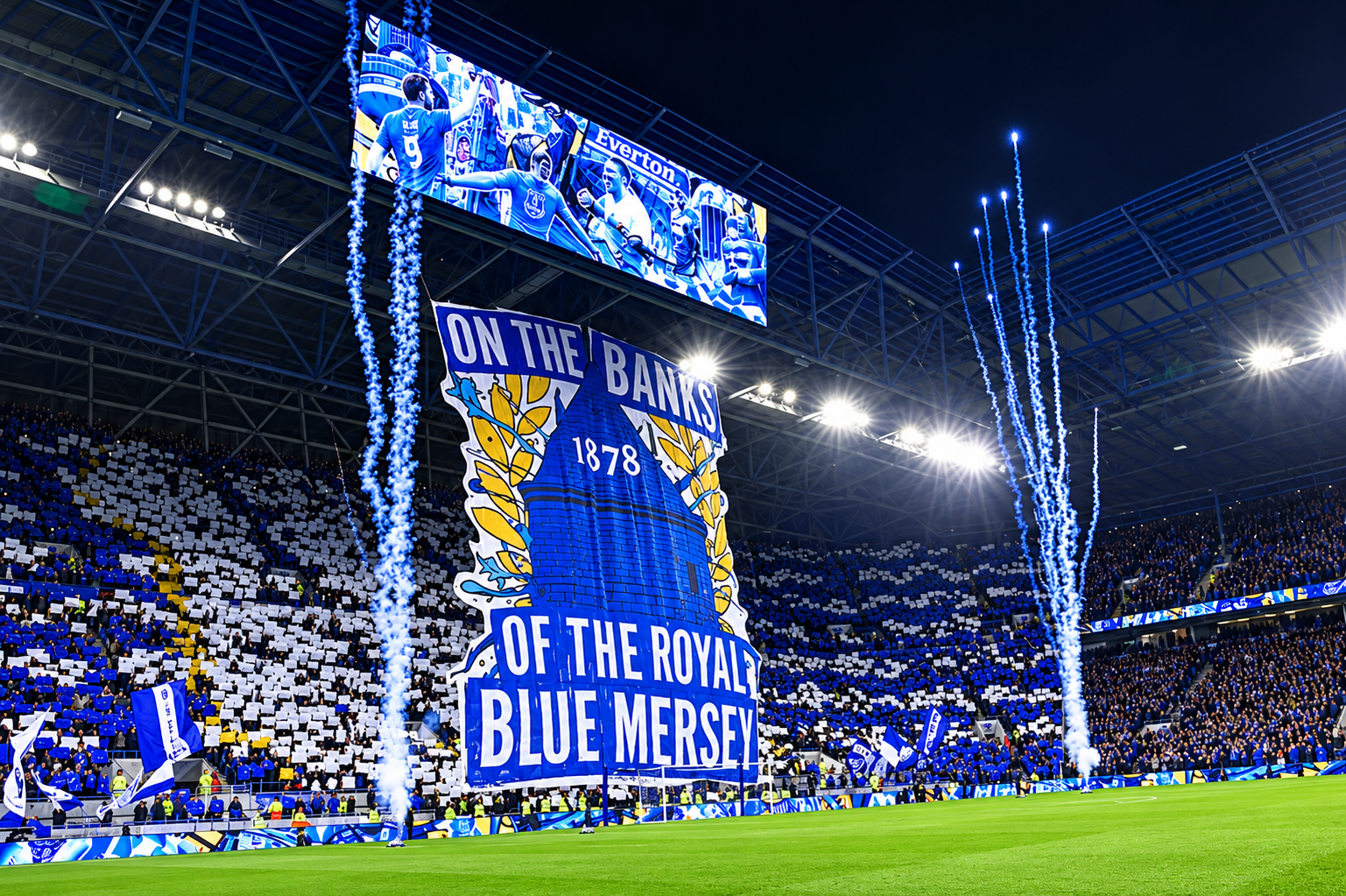
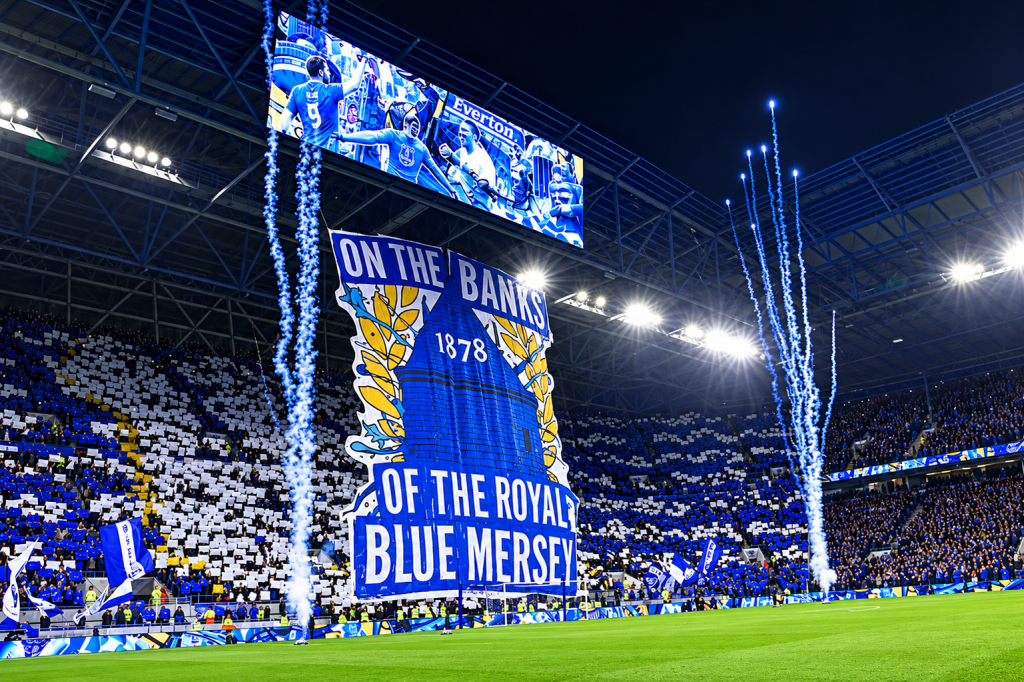
And so, to another brave new dawn: the arrival of The Friedkin Group and Everton's long-awaited move to Hill Dickinson Stadium. After years of financial uncertainty, ownership instability and the constraints imposed by Profit and Sustainability Rules (PSR), there was a genuine sense that the club was finally emerging from its darkest period. The new ownership brought financial credibility, while the stadium promised to transform Everton's long-term commercial prospects through increased matchday revenue, enhanced hospitality facilities and new sponsorship opportunities. Together, they represented far more than a change of scenery—they appeared to promise the chance for Everton to rebuild as a modern Premier League club capable of competing on a stronger financial footing.
Business as Usual? Everton's New Era Faces Familiar Problems
Yet, despite that optimism, there are already signs that familiar patterns remain difficult to escape. Although the move to the new ground has gone well and, in the process, improved the club's commercial position, TFG have represented another false dawn. Far from being the saviours of the club, arriving to propel it forwards, it appears they merely wanted to pick up an asset cheaply, flip it and sell it for a profit.
Their unwillingness to fund the club effectively resulted in one of the worst transfer windows in Everton's modern history (which is saying something), from which the club emerged with a squad similar in size to an average Sunday League team. Although it's too early to tell just how much this will impact the season, it's not unreasonable to suggest that any kind of injury crisis is going to leave Everton playing on fumes.
The Emotional Cost of Everton's Endless False Dawns
The undeniable sense that yet another new dawn has proved to be false has dealt Evertonians yet another blow. And that is a problem. Because false dawns do more than just create disappointment; over time, they begin to drain a supporter base's emotional reserves. Hope is one of football's greatest currencies, but it is not limitless. Every new beginning brings renewed optimism, investment of time and energy, and the belief that better days are finally ahead. When those expectations are repeatedly followed by frustration, that belief gradually becomes harder to maintain. For Evertonians, years of managerial changes, ownership upheaval, financial struggles and unfulfilled promises have created a sense of caution where excitement once came naturally.
The danger for Everton is that yet another failure to deliver could do more than disappoint—it could erode the connection between supporters and the club's future direction. Fans will always support the shirt, the badge and the history, but sustained mediocrity can slowly weaken the belief that success is realistically achievable. A fanbase that has spent decades waiting for a revival does not simply need reassurance; it needs evidence that the cycle has finally been broken. The challenge for whoever replaces TFG is therefore not just to improve Everton's league position, but to restore something that has been gradually worn away: the belief that the next chapter can genuinely be different.